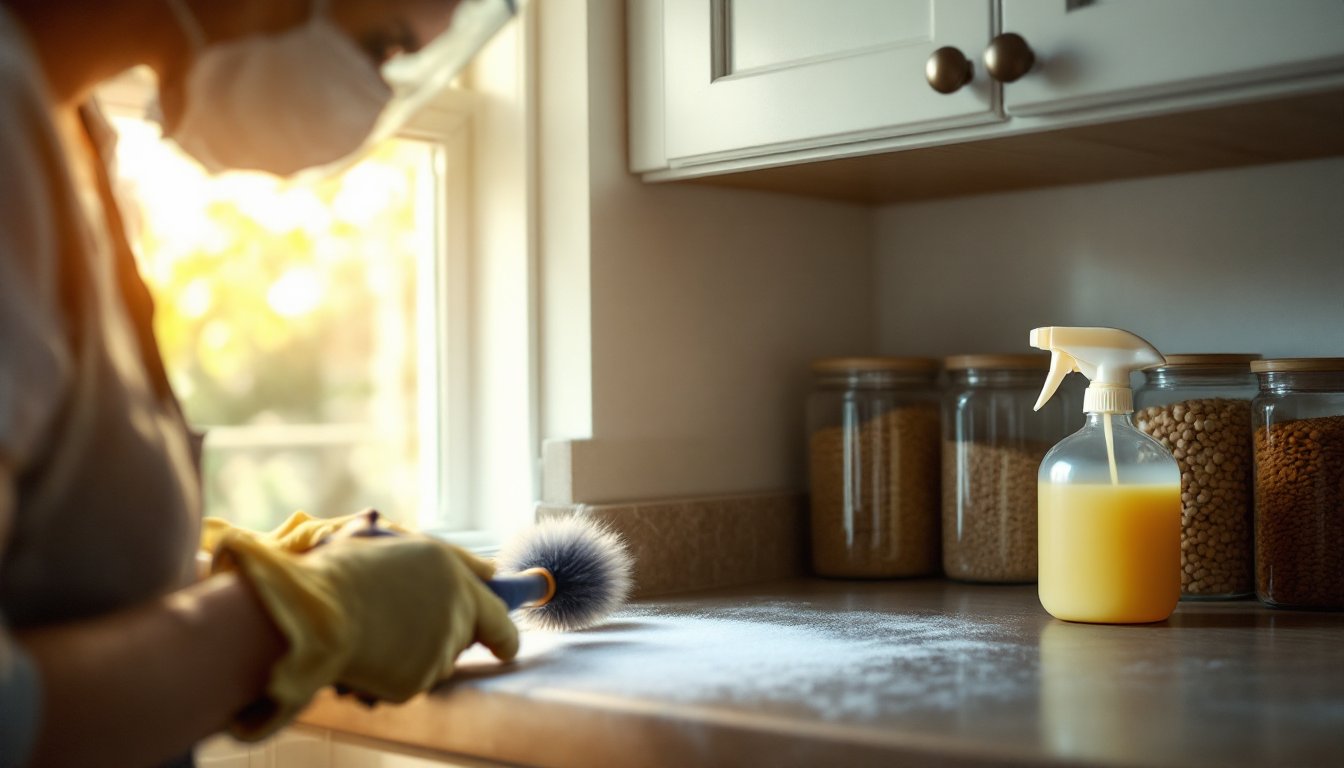
Dealing with roaches doesn’t mean you need to spray toxic chemicals throughout your home. Natural roach killers are becoming the go-to choice for homeowners who want to eliminate pests without exposing their family or pets to harsh pesticides. These solutions work by targeting the insect’s biology, damaging their exoskeletons, disrupting their nervous systems, or deterring them entirely, while remaining safe for humans and animals. Whether you’re facing a small problem or a persistent infestation, natural alternatives offer real results with fewer health risks and lower environmental impact. In this guide, you’ll learn which methods actually work, how to apply them correctly, and how to prevent roaches from returning.
Table of Contents
ToggleKey Takeaways
- Natural roach killers like diatomaceous earth, boric acid, and essential oils are effective alternatives that eliminate pests safely without exposing families or pets to toxic chemicals.
- Diatomaceous earth works through mechanical damage to roach exoskeletons and typically produces visible results within 1-2 weeks of consistent application in dry conditions.
- Boric acid baits are highly effective for persistent infestations by interfering with roaches’ nervous systems, but require careful placement away from children and pets.
- DIY roach traps and sticky traps help monitor infestation severity and track treatment progress by revealing where roach populations are concentrated.
- Eliminating food sources, fixing water leaks, and sealing cracks are essential prevention strategies that work alongside natural roach killer treatments to prevent reinfestation.
- Most homeowners achieve roach-free homes within 4-6 weeks by combining multiple natural treatment methods with consistent maintenance and prevention tactics.
Why Natural Roach Killers Work Better Than You Think
Natural roach killers often get dismissed as weak compared to commercial pesticides, but that’s based on misunderstanding how they function. Unlike synthetic insecticides that kill on contact, many natural solutions work through mechanical or biological action, meaning roaches can’t develop resistance to them the way they can to repeated chemical spraying.
Diatomaceous earth, boric acid, and essential oils don’t poison roaches instantly: instead, they damage the waxy coating on their exoskeletons, cause dehydration, or interfere with their ability to reproduce. This slower but more thorough approach actually prevents populations from bouncing back. Modern research confirms what home remedies have long suggested: roaches exposed to natural killers like diatomaceous earth show lower survival rates and reduced breeding capacity compared to those in untreated environments.
The real advantage isn’t just effectiveness, it’s safety. You can use natural roach killers in kitchens, bedrooms, and anywhere your children or pets spend time, without the neurological risks associated with pyrethroid or neonicotinoid insecticides. When combined with proper prevention tactics, natural methods eliminate the need for repeated toxic applications.
Diatomaceous Earth: The Powder That Works Wonders
Food-grade diatomaceous earth (DE) is one of the most effective and widely recommended natural roach killers for homeowners. This white powder consists of fossilized remains of diatoms, aquatic organisms with jagged, microsopic edges that are harmless to humans but devastate roaches.
Here’s how it works: when roaches walk through the powder, it adheres to their bodies and cuts through their protective waxy layer. This causes dehydration and death, typically within 48 to 72 hours. Unlike pesticides, roaches can’t adapt to this mechanical damage, so DE remains effective indefinitely.
How to apply diatomaceous earth:
- Use food-grade DE only (never pool-grade, which is toxic). Popular options include Safer’s diatomaceous earth or Earthborn diatomaceous earth.
- Apply a light, thin layer along baseboards, behind appliances, in cabinet corners, and under sinks where roaches travel.
- Use a hand duster or small brush to distribute evenly: too much powder becomes visible and is less effective.
- Reapply after vacuuming or every 2-3 weeks in damp areas.
- Wear a dust mask and goggles when applying, inhalation isn’t dangerous but can be uncomfortable.
DE works best in dry conditions. In high-humidity kitchens or bathrooms, it clumps and loses effectiveness. You may need to combine it with other methods or use it in drier areas of your home. Expect to see roach activity decrease noticeably within 1-2 weeks of consistent application.
Boric Acid and Borax Solutions for Persistent Infestations
Boric acid and borax are natural mineral-based roach killers that have been used effectively for decades. Both work by interfering with roaches’ nervous systems when ingested, but they’re significantly less toxic to humans than commercial pesticides when used correctly.
Important safety note: Boric acid is toxic if swallowed in quantity. Keep it away from small children and pets. Borax, while chemically different and slightly safer, still requires careful placement and storage.
Making a boric acid roach bait:
- Mix 1 part boric acid powder with 2 parts powdered sugar and 1 part water to form a paste.
- Roll the paste into small pellets (about pea-sized) or spread thin lines along baseboards and in corners.
- Place baits in areas where roaches travel but children and pets cannot reach, behind refrigerators, inside cabinet voids, or under sinks.
- Replace baits weekly or when they dry out.
- Wear gloves and avoid touching your face while handling.
Borax works similarly but is often mixed with sugar and water to create bait stations. The key difference: roaches must ingest these poisons for them to work, which means they’re slower-acting than diatomaceous earth but often more effective for heavy infestations.
Results typically appear within 1-2 weeks. You’ll notice dead roaches in corners, under appliances, and in hidden spaces. This is a sign the treatment is working, the insects are retreating to their harborages to die.
Essential Oils and Citrus-Based Repellents
Essential oils like peppermint, eucalyptus, and lavender, along with citrus-based sprays, repel roaches rather than kill them outright. They’re ideal for prevention or as a supplement to other methods, not as a standalone solution for active infestations.
DIY essential oil spray:
- Mix 10-15 drops of peppermint or eucalyptus essential oil with 2 cups of water in a spray bottle.
- Add 1 tablespoon of dish soap to help the oil distribute evenly.
- Spray along baseboards, under sinks, and in corners once or twice weekly.
- Reapply after cleaning or if the smell fades.
Citrus-based commercial sprays (like those using d-limonene, an oil extracted from orange peels) are potent repellents that also have mild killing properties at high concentrations. These work best in combination with diatomaceous earth or boric acid baits, repel roaches with essential oils, then trap or kill them with another method.
The limitation: essential oils work only if roaches can smell them. Once they adapt or the scent fades, effectiveness drops. Use them to discourage roaches from entering treated areas, but don’t rely on them alone if you already have an active problem. Research shows roaches may develop avoidance behavior around certain oils, but they don’t provide the consistent elimination that mechanical or ingested natural killers offer.
DIY Roach Traps and Baits You Can Make at Home
Homemade traps help you monitor roach activity and confirm whether your treatment is working. They’re not intended to eliminate an infestation alone but provide valuable insight into population size and location.
Simple sticky trap:
- Cut strips from a roll of masking tape or purchase roach traps.
- Place a small dab of petroleum jelly or honey in the center to attract roaches.
- Set traps along baseboards, under appliances, and in corners, anywhere you’ve seen roach activity.
- Check traps every 2-3 days and count the roaches caught. High numbers in one area indicate a major harborage nearby.
Bait jar trap:
- Fill a glass jar halfway with beer, coffee grounds, or a mixture of sugar and water.
- Coat the inside rim with petroleum jelly so roaches can’t escape after climbing in.
- Place the jar in corners and under sinks overnight.
- In the morning, seal the jar and freeze it to kill trapped roaches, then dispose.
These traps serve dual purposes: they capture some roaches and reveal where concentrations are highest. If you’re catching 5+ roaches per trap nightly, you likely have a significant infestation that requires combining multiple treatment methods. Traps also help you track progress, if catches drop by 70-80% after 3 weeks of treatment, your approach is working.
Prevention and Maintenance: Keep Roaches Out for Good
Treatment is only half the battle. Roaches thrive where food, water, and shelter are available, so eliminating these attractions is essential to long-term success.
Eliminate food sources:
- Don’t leave food or crumbs on counters: clean immediately after meals.
- Store pantry items in airtight containers, not open boxes or bags.
- Wipe down the inside of cabinet bases where crumbs accumulate.
- Take out trash daily and keep bins sealed.
Cut off water access:
- Fix any leaky pipes under sinks, behind toilets, or around dishwashers.
- Wipe down sinks before bed so roaches can’t find standing water.
- Don’t leave pet water bowls out overnight.
Remove harborages:
- Seal cracks and crevices around baseboards, pipes, and electrical outlets with caulk.
- Remove cardboard boxes, stacks of paper, and clutter where roaches hide and breed.
- Keep your kitchen organized and uncluttered: roaches need dark, tight spaces.
Once you’ve treated your home with natural roach killers, maintenance becomes simple: maintain cleanliness, fix leaks promptly, and reapply DE or essential oils monthly as a preventive measure. Resources like Good Housekeeping’s guide on getting rid of roaches detail additional prevention strategies that complement natural treatments effectively. Most homeowners find that after 4-6 weeks of consistent treatment and prevention, roach activity drops to zero and stays there.
Conclusion
Natural roach killers, diatomaceous earth, boric acid, essential oils, and homemade traps, provide safe, effective alternatives to chemical pesticides. Combined with prevention strategies like sealing cracks, eliminating food and water sources, and reducing clutter, these methods eliminate roaches from your home without toxins. Start with diatomaceous earth for immediate action, add boric acid baits for persistent problems, and use essential oils as a repellent complement. Success requires patience and consistency: most infestations clear within 4-6 weeks of proper treatment. Your home can be roach-free naturally.