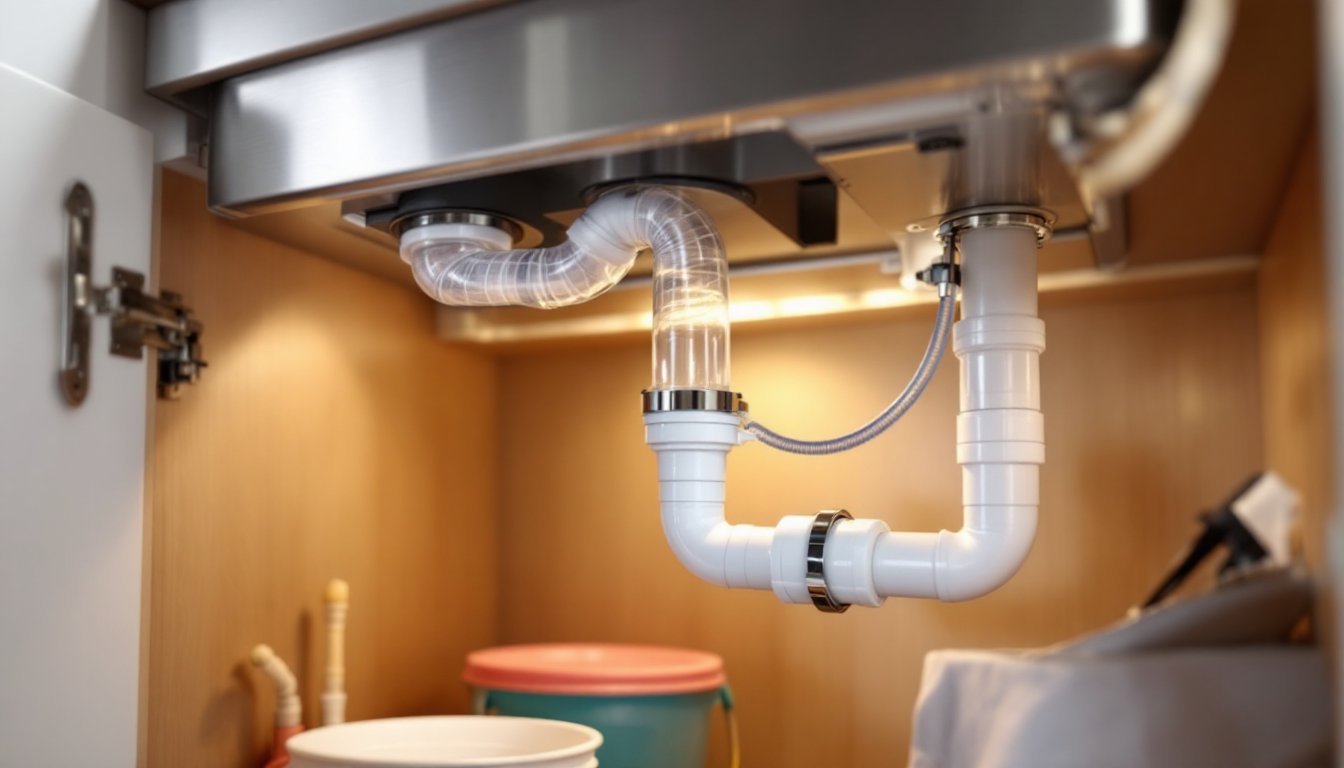
A clogged or damaged drain hose is one of the most common culprits behind a dishwasher that won’t drain. Unlike calling in a professional, tackling an LG dishwasher drain hose issue is something most homeowners can handle themselves with basic tools and patience. Whether you’re dealing with standing water at the bottom of the tub, slow drainage, or a complete backup, understanding how your drain hose works, and what goes wrong, puts you in control. This guide walks you through diagnosis, cleaning, replacement, and the maintenance habits that keep your LG running smoothly for years to come.
Table of Contents
ToggleKey Takeaways
- An LG dishwasher drain hose issue is fixable at home by most homeowners using basic tools, saving $100–$150 on professional diagnosis alone.
- The LG dishwasher drain hose must maintain a high loop under the countertop to prevent siphoning and backups, with proper routing being critical to drainage performance.
- Most drain hose clogs can be cleared with hot water, a plumbing snake, or a baking soda and vinegar mixture before considering replacement.
- Replace your drain hose if it shows visible cracks, permanent kinks, or is over 10–12 years old, as degraded plastic can fail without warning.
- Rinsing dishes, cleaning filters monthly, and running cleaning cycles are the best prevention methods to keep your LG dishwasher drain hose clear and extend appliance lifespan.
Understanding Your LG Dishwasher Drain Hose
Your LG dishwasher’s drain hose is a flexible plastic tube, typically 3/4 inch in diameter, that carries wastewater from the wash chamber to either your sink drain or garbage disposal. Most models run the hose under the dishwasher cabinet and up through the wall cavity behind your sink.
The hose itself is pretty straightforward: water flows in one direction, pushed by a small drain pump that activates at the end of the wash cycle. Inside the hose, you’ll usually find a backflow preventer or check valve, a simple flapper that stops dirty water from flowing backward into the dishwasher when the pump shuts off. This is why standing water at the bottom of your tub doesn’t automatically mean the hose is the problem: sometimes the issue is upstream in the pump or filter.
Hose length and routing matter. Most installations loop the hose up to the underside of the countertop (creating an air gap or high point) before dropping it into the drain. This prevents siphoning and keeps wastewater from backing up into the dishwasher. If your hose was installed improperly or has sagged over time, gravity alone can cause drainage issues.
Common Drain Hose Problems and Warning Signs
Watch for these red flags:
Standing water in the tub after the cycle ends is the most obvious sign. Water should drain completely within a minute of the pump running.
Slow drainage that gradually worsens over weeks suggests a partial clog, typically food debris, mineral buildup, or detergent residue trapped inside the hose or drain line.
Water pooling under the dishwasher or a wet cabinet floor indicates a leak, either a crack in the hose itself or a loose connection at the pump or sink drain.
Foul odor coming from the dishwasher often means water is stagnating in the hose, usually because it’s kinked, pinched, or routed with a low spot that traps moisture.
Gurgling or bubbling sounds during the drain cycle suggest air is trapped in a clogged line, or the backflow preventer is stuck.
The good news: most of these are fixable at home. A professional diagnosis costs $100–$150 just for the service call, so it’s worth attempting basic troubleshooting first. That said, if the hose is cracked or the pump itself is faulty, you’ll need to plan for replacement.
How to Clean and Unclog Your Drain Hose
Before you replace anything, try cleaning. Most clogs are debris, not mechanical failure.
What you’ll need:
- Adjustable wrench or hose-clamp pliers
- Bucket or towels (to catch spills)
- Drain auger or plumbing snake (optional but useful)
- White vinegar and baking soda (or commercial drain cleaner)
- Garden hose with spray nozzle (optional)
Steps:
-
Turn off the dishwasher and unplug it from the electrical outlet. Wait 5 minutes to let residual charge dissipate.
-
Locate the drain hose connection under the sink or at the garbage disposal. You may need to open the cabinet door and look behind the P-trap.
-
Loosen the hose clamp where the drain hose connects to the disposal or sink drain (usually a stainless-steel band clamp tightened with a screw). Use your adjustable wrench to turn it counterclockwise until the clamp is loose enough to slide the hose off.
-
Inspect the hose end for obvious obstructions like food chunks or mineral deposits. Pull out anything you can grab with your fingers, don’t force it.
-
Flush the hose with hot water from a garden hose or pitcher. If water flows freely, your clog is likely upstream in the sink drain, not the dishwasher hose.
-
For stubborn clogs, try a plumbing snake inserted from the end closest to the dishwasher. Push gently and rotate to break up the blockage. Avoid using a rigid snake that might puncture the hose.
-
Chemical option: Pour a mixture of 1/2 cup baking soda followed by 1 cup white vinegar down the hose. Let it fizz for 15 minutes, then flush with hot water. This works well for grease and soap buildup.
If water flows freely but the dishwasher still isn’t draining, the problem likely lies in the filter, pump, or sink-side drain line, not the hose itself. Resources like unclogging a dishwasher drain offer additional troubleshooting if you hit a wall.
When and How to Replace Your LG Drain Hose
Signs Your Hose Needs Replacement
If cleaning didn’t solve the problem, or if you spot cracks, holes, or permanent kinks in the hose itself, replacement is your next step. A hose with visible damage won’t hold water pressure and will leak under the cabinet, a quick way to damage subflooring or cabinetry.
Also replace the hose if it’s more than 10–12 years old. Plastic degrades over time, becomes brittle, and can crack without warning. If your dishwasher is approaching or past the 10-year mark and you suspect the hose is original, replacing it preemptively is smart insurance.
Step-by-Step Replacement Process
Tools and materials:
- Adjustable wrench
- Hose clamps (stainless steel, usually 5/8 inch band width)
- Replacement drain hose (check your LG model number for the correct part)
- Towels or bucket
- Pliers or screwdriver
Difficulty level: Moderate. You’ll need to pull the dishwasher out and disconnect it from plumbing and power. If you’re uncomfortable doing that, a plumber can handle it for $150–$300 in labor alone.
Steps:
-
Unplug the dishwasher from the outlet. If it’s hardwired, turn off the breaker.
-
Turn off the water supply valve under the sink (turn the knob clockwise until it stops).
-
Pull the dishwasher forward carefully. You’ll find the drain hose at the back left or right corner, connected to the sink drain or garbage disposal. Have a bucket or towel ready, there’s usually a cup or two of water inside.
-
Disconnect the old hose by loosening the hose clamp screw with your wrench. Slide the clamp off and pull the hose away from the drain connection. Note how it’s routed so you can replicate the path with the new hose.
-
Disconnect the hose from the dishwasher (usually at the pump or through an access panel). Again, loosen the clamp and slide off.
-
Inspect the connection points (pump outlet and drain inlet) for mineral deposits or debris. Wipe clean with a damp cloth.
-
Install the new hose in reverse order. Start at the pump connection, slide the hose on, and tighten the clamp snugly, not so tight you crush the hose, but tight enough that it won’t slip off under pressure.
-
Route the hose following the same path as the old one. Make sure it has a high loop under the countertop (at least 12 inches above the drain line) to prevent siphoning. No tight kinks or pinches.
-
Connect to the drain at the sink or disposal. Slide the hose on, then tighten the clamp.
-
Push the dishwasher back into place and reconnect water and power. Run a test cycle with an empty tub to check for leaks at both connection points.
Expect to spend $40–$80 on the hose itself, depending on your LG model. Replacement hoses are generic (any 3/4-inch plastic hose works), so you don’t need an OEM part, a hardware store alternative is fine and often cheaper. But, verify the diameter and connection type for your specific dishwasher before buying.
Maintenance Tips to Prevent Future Issues
An ounce of prevention beats a drain-clearing headache. Build these habits into your routine:
Rinse dishes before loading. Food bits are the #1 drain-hose culprit. You don’t need to wash them spotless, but scrape off chunks and stuck-on debris. This is the single best way to avoid clogs.
Clean the filter monthly. Your LG’s spray arm and lower filter collect debris that can eventually migrate to the hose. Remove the filter basket (usually at the bottom center of the tub), rinse it under running water, and wipe the seal.
Run a cleaning cycle. Use a dishwasher cleaning tablet (citric acid or enzymatic type) once a month. Run an empty cycle on the hottest water setting. This dissolves mineral buildup and detergent film that accumulate inside hoses and spray arms.
Check the drain hose route annually. Open the cabinet under the sink and visually inspect the hose for kinks, cracks, or loose clamps. Reposition if needed to maintain that high loop under the countertop.
Don’t use the garbage disposal as a strainer. If your hose connects to a disposal, make sure the disposal is running before the dishwasher drains into it. Better yet, connect directly to the P-trap if your plumbing allows, disposals are notorious for backing up and creating backpressure.
Test drain performance seasonally. Run a cycle and listen for odd sounds or check for leaks underneath. Catching a slow drain early is much easier than dealing with a full backup.
One resource that covers broader dishwasher drainage issues discusses multiple culprits beyond just the hose, so if you’re troubleshooting a complex problem, that’s worth a read. For kitchen-specific advice and appliance reviews, The Kitchn also covers dishwasher maintenance in a homeowner-friendly way.
Staying proactive with these simple steps, rinsing dishes, cleaning filters, and running monthly cleaning cycles, will keep your LG drain hose clear and extend the lifespan of your dishwasher by years. Most drain-related issues stem from poor prep and neglected filters, not faulty hoses. That’s good news: you control the outcome.