
Whether you’re planning to sell or simply want your home to feel more like yours, strategic remodeling projects deliver real value. Not every upgrade requires hiring contractors or maxing out a credit card, many high-impact improvements are well within reach for a motivated homeowner. This guide walks through seven essential home remodeling projects that consistently boost both property value and daily living quality. Each project comes with honest talk about difficulty, timeline, and when to call in the pros.
Table of Contents
ToggleKey Takeaways
- Kitchen remodeling projects return 50–60% of costs at resale while transforming the most-used room in your home through accessible upgrades like cabinet refacing and backsplash tiles.
- Home remodeling success requires clear priorities, realistic budgets, and phasing projects strategically—tackle high-ROI improvements like kitchens and bathrooms before cosmetic updates.
- Many high-impact home remodeling projects, including painting, fixture swaps, and flooring installation, are achievable for motivated DIYers, while electrical, plumbing, and structural work should go to licensed professionals.
- Flooring and fresh paint are among the cheapest transformations available, with luxury vinyl plank flooring costing $3–$8 per square foot and quality paint delivering results for under $50 per gallon.
- Energy-efficient windows and entry doors recoup installation costs through 10–15% annual utility savings and improved home value, though professional installation is often wise to avoid costly water infiltration.
- Outdoor living spaces and landscaping improvements expand usable square footage and curb appeal with minimal investment—deck and patio projects require permits and structural planning but deliver strong lifestyle and resale returns.
Kitchen Remodeling: The High-Impact Upgrade
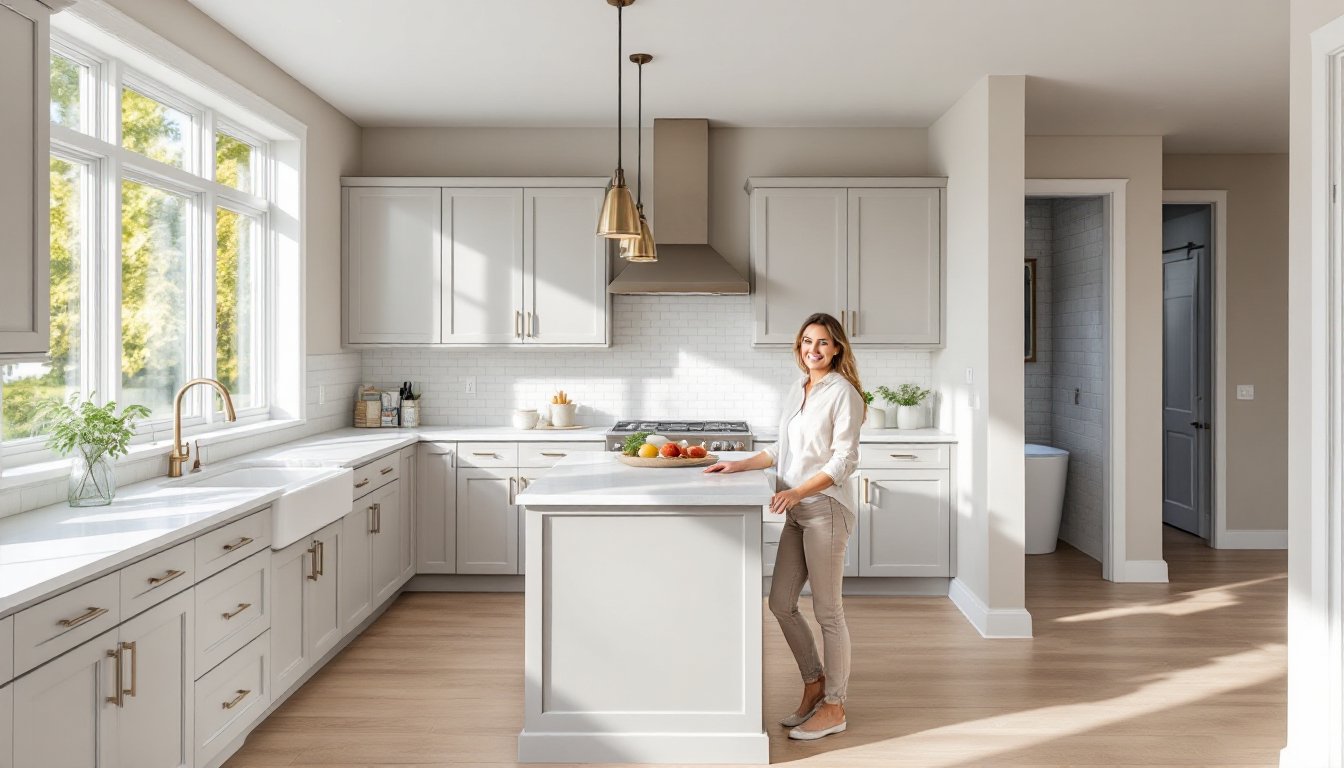
Kitchens drive home value in ways few other rooms can. A well-executed remodel typically returns 50–60% of project costs at resale, and you’ll enjoy the space daily until then. Start by assessing what actually needs changing: outdated cabinets, worn countertops, poor lighting, or non-functional layout.
Cabinet refacing often delivers more bang than a full replacement. Paint or reface existing cabinet boxes, upgrade hardware, and keep the skeleton, this costs roughly one-third of new cabinets. Countertop swaps are another accessible project: laminate, solid surface, or budget quartz run $40–$80 per square foot installed, versus $100+ for premium natural stone.
Lighting transforms kitchens without major carpentry. Add under-cabinet LED strips, replace builder-grade fixtures, and ensure task lighting over the sink and cooktop. Backsplash tile is a weekend project for patient DIYers, subway tile and simple grout work are forgiving. Plumbing and electrical upgrades should go to licensed professionals to meet local codes. “Remodeling a kitchen,” as outlined in DIY Home Projects Guide, requires planning but yields immediate satisfaction and lasting returns.
Bathroom Updates: Comfort Meets Functionality
Bathrooms are smaller than kitchens but pack equal punch per square foot. Fixture upgrades, faucets, showerheads, lighting, are straightforward swaps. Shut off water at the main, use an adjustable wrench, and watch YouTube for the specific fixture type: most take 30 minutes once you’ve cleared the old caulk.
Grouting and regrouting tile is tedious but manageable for DIYers. Use a rotary grout saw or oscillating tool with a grout blade to remove failing grout, then apply new sanded or unsanded grout depending on joint width. Seal afterward to prevent mold. Paint is another quick win, bathroom-grade paint resists moisture better than standard interior paint.
Vanity replacement is doable if plumbing hookups are straightforward, but supply-line connections and rough-in heights must meet code. Tile work on walls and floors requires skill: uneven substrate leads to cracked grout and tiles. Many homeowners hire this out. Ventilation fans should be vented to exterior, not attic, this prevents moisture damage and meets IRC requirements. A good bathroom update costs $5,000–$15,000 depending on scope and material choices.
Flooring Replacement: Foundation for Style
Flooring sets the tone for entire rooms and gets scrutinized during home tours. Worn carpet, stained wood, or cracked tile screams deferred maintenance. Replacement options span comfort, durability, and price.
Luxury vinyl plank (LVP) has become the default: waterproof, durable, and $3–$8 per square foot installed. Installation is straightforward over most substrates (concrete, wood, tile), though you’ll need underlayment. Laminate is cheaper ($2–$5 per sq ft) but less moisture-resistant. Engineered hardwood offers wood grain without solid-wood price tags and handles humidity better than solid planks.
Carpet stays comfortable underfoot in bedrooms and living areas: quality matters, dense, stain-treated fibers resist wear. Budget $5–$10 per square foot installed. Tile (ceramic, porcelain, natural stone) works in kitchens, baths, and entryways, costly to install due to substrate prep, grout, and sealing, but lasts decades. Best DIY Home Projects sometimes include vinyl installation for confident DIYers, but uneven cuts and poor transitions cheapen the result.
Prep is critical: remove baseboards, repair subfloor, and level concrete. Many DIYers succeed with LVP click-lock planks: tile and hardwood often justify professional installation.
Fresh Paint and Wall Treatments
Paint is the cheapest, fastest home transformation available. A gallon of quality interior paint covers roughly 350 square feet: one coat runs $30–$50 per gallon. Ceilings and trim magnify visual impact. Move to neutral tones (grays, warm whites, soft beiges) if resale is on your mind: bold accent walls appeal to fewer buyers.
Prep determines final quality. Fill nail holes, sand glossy surfaces, and prime new drywall. Use painter’s tape on trim, and protect floors with drop cloths, not plastic sheeting, which traps moisture. Two coats are standard: cheap paint needs three. Hire a pro if the room has crown molding, vaulted ceilings, or textured walls you want to preserve.
Textured treatments like shiplap or beadboard add character but require carpentry skill and can date quickly. Wallpaper has returned to favor for accent walls but demands careful substrate prep and straight seams. Moisture-prone areas (bathrooms, kitchens) need washable, mildew-resistant finishes. Top DIY Home Projects frequently highlight painting because it’s accessible and forgiving, mistakes are cheap to fix with another coat.
Windows and Doors: Energy Efficiency and Curb Appeal
New windows and entry doors improve curb appeal and energy performance. Modern double-pane, low-E glass reduces heating and cooling costs by 10–15% annually. Entry doors with solid cores and weather stripping seal drafts and boost security. Both recoup cost through utility savings and home value.
Door replacement is within reach if existing openings are square and plumb. Prehung units arrive assembled in a frame: shimming and leveling are key. Use a level in three planes (vertical, horizontal, diagonal) to avoid binding. Caulk gaps and paint. Window replacement is trickier: sashes, sills, and flashing require precision. Minor gaps lead to water infiltration and hidden rot, a costly mistake.
Energy efficiency ratings matter: look for ENERGY STAR certification and low U-factors. Fiberglass or vinyl frames resist rot better than wood in damp climates. Consider whether existing frames are salvageable (restoration versus replacement). Hiring for windows is often wise: poor installation wastes the energy-efficiency gains. Local building codes may require permits and inspections. Budget $500–$1,200 per window installed: doors run $800–$2,000.
Outdoor Living Spaces: Expanding Your Home
Decks, patios, and landscaping expand usable square footage and create lifestyle appeal. Composite decking has largely replaced pressure-treated lumber for low-maintenance durability, though cost runs $15–$25 per square foot versus $8–$12 for wood. Structural requirements are non-negotiable: frost-line footings (typically 36–48 inches deep), proper joist spacing (16 inches on center for residential), and railings that meet IBC load requirements (200 pounds horizontal force per linear foot).
Permits are mandatory in most jurisdictions. Inspectors verify deck support, stair pitch, and railing height, skipping this invites liability if someone is injured. DIY-friendly additions include new deck boards, railing balusters, and hardware upgrades. Foundation and framing are worth subcontracting unless you’ve built before. Patios using polymeric sand and interlocking pavers suit confident DIYers: concrete work and stone flagstone require more skill.
Landscaping improvements, new plantings, mulch, hardscape borders, deliver quick returns with minimal cost. Remove dead plants, prune overgrown shrubs, and edge beds crisply. Modern outdoor living spaces increasingly include fire pits, outdoor kitchens, or pergolas. These projects blend hardscaping and electrical work: professional consultation is wise for complex designs involving gas lines or built-in appliances.
Planning and Budget Considerations
Successful remodeling starts with clear priorities and realistic budgets. Determine which projects align with your goals, resale value, personal comfort, or energy efficiency, and rank them. Get multiple quotes: price alone misleads, but three estimates establish a market range. DIY Home Projects Ideas resources and Home improvement cost estimators help baseline expectations.
Underestimating timelines and material costs is common. Add 20% to labor and material budgets for unknowns: hidden water damage, code violations, or material shortages. Phasing projects spreads costs: do kitchens and baths first (highest ROI), then flooring, paint, and outdoor spaces.
Permits and inspections aren’t obstacles, they protect you legally and ensure quality. Electrical and plumbing work requires licensed professionals in most jurisdictions. Structural changes, roof work, and load-bearing wall removal demand engineers or contractors. DIY enthusiasm has limits: recognize yours early. This Old House tutorials and ImproveNet resources support planning and learning. Track receipts and photos for insurance and resale documentation. Starting with one solid project builds confidence and cash flow for the next.


