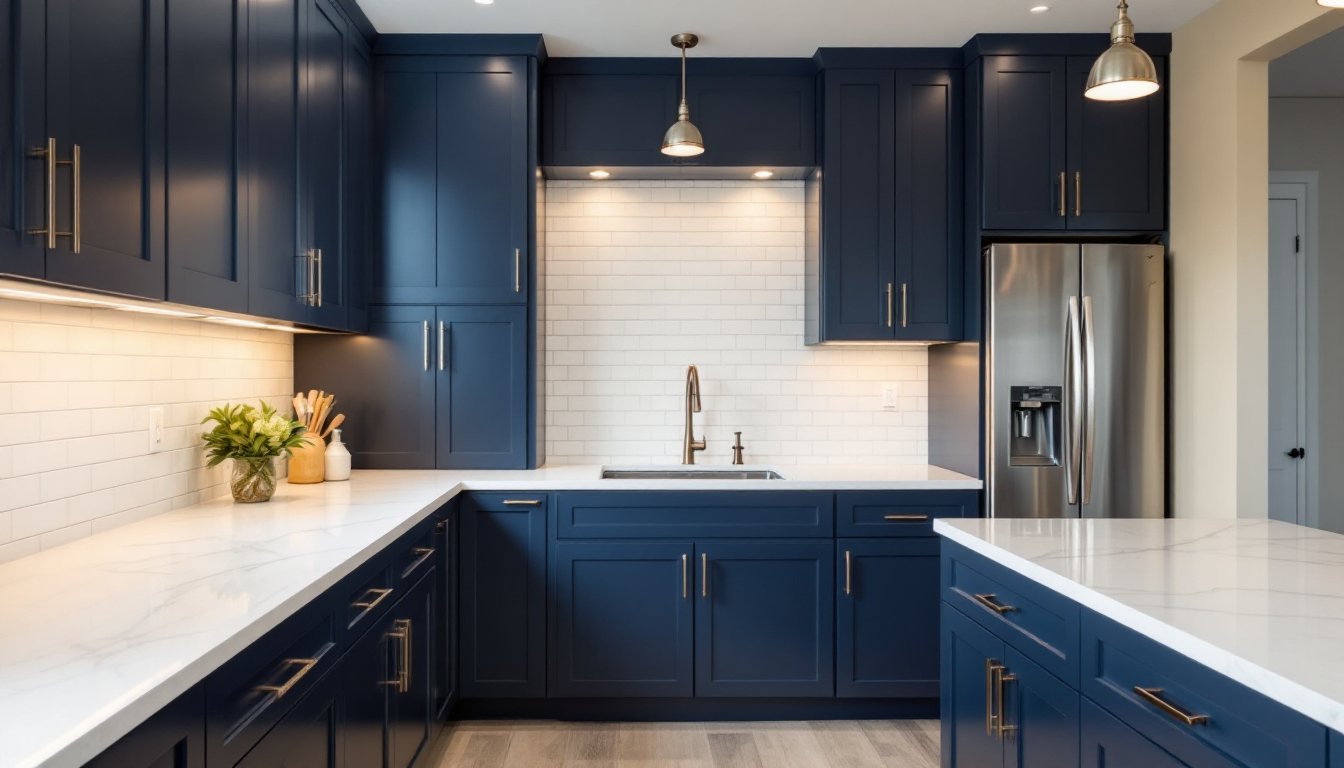
Navy blue kitchen cabinets have moved from niche choice to mainstream design staple, and for good reason. This deep, sophisticated hue works as both a bold statement and a surprisingly versatile backdrop, pairing well with everything from crisp white walls to warm wood tones. Whether you’re renovating from scratch or refreshing existing cabinetry with a fresh coat of paint, navy blue offers the visual impact of a complete kitchen overhaul at a fraction of the cost. Homeowners and designers increasingly favor navy because it’s neither trendy-of-the-moment nor dated, it’s become the new neutral for kitchens that need character without looking dated in five years.
Table of Contents
ToggleKey Takeaways
- Modern navy blue kitchen cabinets are a timeless design choice that hides daily wear and remains relevant across decades, making them more practical than trendy alternatives.
- Navy blue cabinets work across multiple aesthetics—from contemporary to farmhouse to traditional—and pair beautifully with white countertops, subway tile backsplashes, and neutral wall colors for maximum visual impact.
- Painting existing cabinets navy is a budget-friendly DIY project that requires meticulous prep work, quality primer, and high-grade paint applied in 2-3 coats for lasting results.
- Navy’s dark tone creates a psychologically grounding effect that promotes focus and reduces stress, while reading as sophisticated and intentional rather than trendy.
- Proper lighting is essential with navy blue cabinets since the color absorbs light—under-cabinet LED strips and warm-white overhead fixtures are critical for brightening the space.
- Consistent maintenance like wiping spills promptly, using mild soap and water for cleaning, and touching up scratches extends navy cabinet longevity without requiring special care.
Why Navy Blue Kitchen Cabinets Are a Smart Design Choice
Navy blue cabinets deliver depth and sophistication in a way that lighter colors can’t match. Unlike stark white, which shows fingerprints and grime constantly, navy hides daily wear gracefully. Unlike trendy grays, navy stays relevant across decades of design shifts. It grounds a space visually without feeling heavy or oppressive, especially when paired with adequate lighting and bright countertops.
From a practical standpoint, navy is forgiving. Dust, water spots, and minor scratches blend into the dark tone rather than screaming for attention. This makes it ideal for busy kitchens where perfection isn’t realistic. The color also works across nearly every aesthetic, transitional, modern farmhouse, contemporary, and even traditional styles, because navy is fundamentally timeless.
The Design Psychology Behind Navy Blue
Navy reads as sophisticated and trustworthy, which is why it’s favored in corporate logos and high-end home design. In a kitchen, this translates to a space that feels intentional and polished. Unlike aggressive blacks or predictable grays, navy suggests confidence without arrogance. It conveys that the homeowner made a deliberate choice, not defaulted to safe.
Psychologically, navy also has a grounding effect. It’s dark enough to feel substantial and stable, yet cool enough to avoid the heaviness of black or brown. This balance makes kitchens feel both energizing and calm, useful when you’re juggling meal prep and family schedules. Research in color psychology supports what designers have long known: deep blues promote focus and reduce perceived stress, making them surprisingly practical for high-traffic home spaces.
Popular Modern Navy Blue Cabinet Styles to Consider
Modern navy cabinets come in several distinct flavors, each suiting different kitchen aesthetics and personal tastes.
Flat-panel (slab) doors are the minimalist choice, clean lines, no ornamentation, pure color. This style emphasizes the navy itself and pairs beautifully with stainless steel hardware and concrete counters. It’s the closest thing to a blank canvas for navy, letting the hue do all the talking.
Shaker-style doors remain hugely popular because they’re versatile. The recessed center panel and simple frame accept navy well, whether you’re going contemporary or farmhouse. Shaker doors with navy cabinets often feel less stark than flat panels, adding subtle visual interest without clutter.
Inset cabinets (where doors sit flush within the frame) offer a premium, built-in appearance. Navy inset cabinetry photographs beautifully and conveys quality, though the style commands higher production costs and requires precise installation.
Beyond door style, consider whether you want matte or semi-gloss finishes. Matte navy reads as more contemporary and hides imperfections better. Semi-gloss reflects light slightly, bringing extra shine and visual pop, especially useful in smaller kitchens that need brightness. Professional photo galleries like the 75 navy blue kitchen ideas curated on Houzz showcase these variations effectively, helping you visualize which style aligns with your space.
Complementary Colors and Materials That Work Best
Navy cabinets thrive when paired thoughtfully with supporting colors and materials. Here’s what works best:
Countertops: White marble, light gray quartz, or butcher block pair classically with navy. White creates the sharpest contrast and reads as fresh: gray softens the look: wood warms it. Avoid dark countertops with navy unless you’re deliberately going moody and minimal, too much darkness can shrink a space visually.
Backsplash: White subway tile is navy’s best friend, offering brightness and a timeless vibe. Textured tiles, hexagon shapes, or soft patterns (not bright, competing colors) add dimension without fighting the cabinetry for attention. Stainless steel or brushed nickel tile works for contemporary kitchens.
Hardware: Brushed nickel, stainless steel, or black metals ground navy without visual chaos. Gold and brass hardware warm navy slightly and suit transitional or eclectic spaces. Avoid shiny polished chrome, which can clash with navy’s sophistication.
Wall color: Keep walls neutral, whites, soft grays, or warm creams. Navy cabinets are a statement: walls should support, not compete. The 10 kitchens featuring navy blue cabinets on Remodelista demonstrate this restraint consistently, showing how neutral surroundings let the cabinetry shine.
Lighting: This is critical. Navy absorbs light, so under-cabinet LED strips and good overhead fixtures aren’t optional, they’re essential. Warm white bulbs (2700K) complement navy’s cool tone nicely.
DIY Steps for Painting Your Cabinets Navy Blue
Painting existing cabinets navy is the most budget-friendly way to achieve this look, assuming your cabinet structure is sound. Here’s the realistic process:
Preparation (the most critical step):
- Remove all cabinet doors, drawers, and hardware. Label everything with painter’s tape so you know where it goes back.
- Clean every surface with TSP (trisodium phosphate) or a degreaser. Kitchen cabinets collect grease film that paint won’t adhere to, this step determines whether your finish lasts five years or five months.
- Sand all surfaces lightly with 120-150 grit sandpaper. You’re not stripping the old finish: you’re scuffing it so primer sticks. Wear a dust mask during this phase.
- Fill any dents or gaps with wood filler, sand smooth once dry, and touch lightly with sandpaper again.
Priming and Painting:
- Apply a quality bonding primer (Benjamin Moore Advance Primer or Sherwin-Williams ProClassic Primer are industry standards for cabinet work). One coat usually suffices if you’ve prepped well. Primer enables adhesion and prevents bleed-through.
- Once primer is fully dry (follow the label, usually 2-4 hours), apply your first coat of high-quality cabinet paint. Navy hides well, but don’t skimp on paint quality: cheap paint yellows, flakes, and shows brushstrokes. Use a high-quality angled brush or a foam roller for smooth results. Avoid cheap brushes, they shed bristles and create texture you’ll see forever.
- Apply a second coat after the first dries. Most navy paints require 2-3 coats for full coverage and color depth.
- Reassemble everything once paint is completely cured (24-48 hours, depending on product).
Safety and Tools: Wear goggles if sanding overhead. Ensure your kitchen is well-ventilated: open windows and use a fan. Cabinet painting is labor-intensive but achievable for confident DIYers, it requires patience, not advanced skills.
Installation and Maintenance Tips for Long-Lasting Results
Whether you painted existing cabinets or installed new navy ones, longevity depends on smart installation and ongoing care.
Installation Considerations:
If you’re hanging new cabinets, locate studs in your walls (a stud finder is essential here, don’t guess). Cabinets must screw into studs or a solid backing: drywall alone won’t hold their weight. Upper cabinets typically hang at 54 inches from the floor to the bottom of the cabinet, leaving standard 18-inch clearance above the counter. Check local codes, as some jurisdictions have specific requirements. If your walls aren’t square or level, shims are necessary, expect to spend time leveling and adjusting rather than brute-forcing cabinets into place.
Maintenance:
Navy cabinets require the same care as any painted cabinetry. Wipe spills immediately with a soft, damp cloth: water left sitting can seep under paint edges. Use mild soap and water for regular cleaning, avoid abrasive cleaners or scouring pads. For greasy buildup, a small amount of diluted vinegar works better than harsh degreasers, which can dull the finish.
Touch up scratches promptly with leftover paint from your project (store it sealed in a cool, dark place for years). Small gouges turn into moisture entry points if left exposed. Every few years, assess drawer slides and hinges: they wear faster than paint and replacing them extends cabinet life significantly.
The practical kitchen advice on The Kitchn includes cabinet care tips that reinforce this straightforward approach: protect your investment through small, consistent maintenance rather than reactive repairs.
Conclusion
Navy blue kitchen cabinets deliver visual sophistication with genuine staying power. Whether painted or newly installed, this color choice upgrades a kitchen’s perceived value while remaining practical for real life. The investment, whether in paint supplies for a DIY refresh or new cabinetry, pays dividends in aesthetics and durability. Start with realistic expectations around prep work and installation, prioritize quality materials, and maintain your cabinets with simple, consistent care. In 2026 and beyond, navy kitchens remain far from trend-fatigue: they’re anchors that ground a home in timeless design.