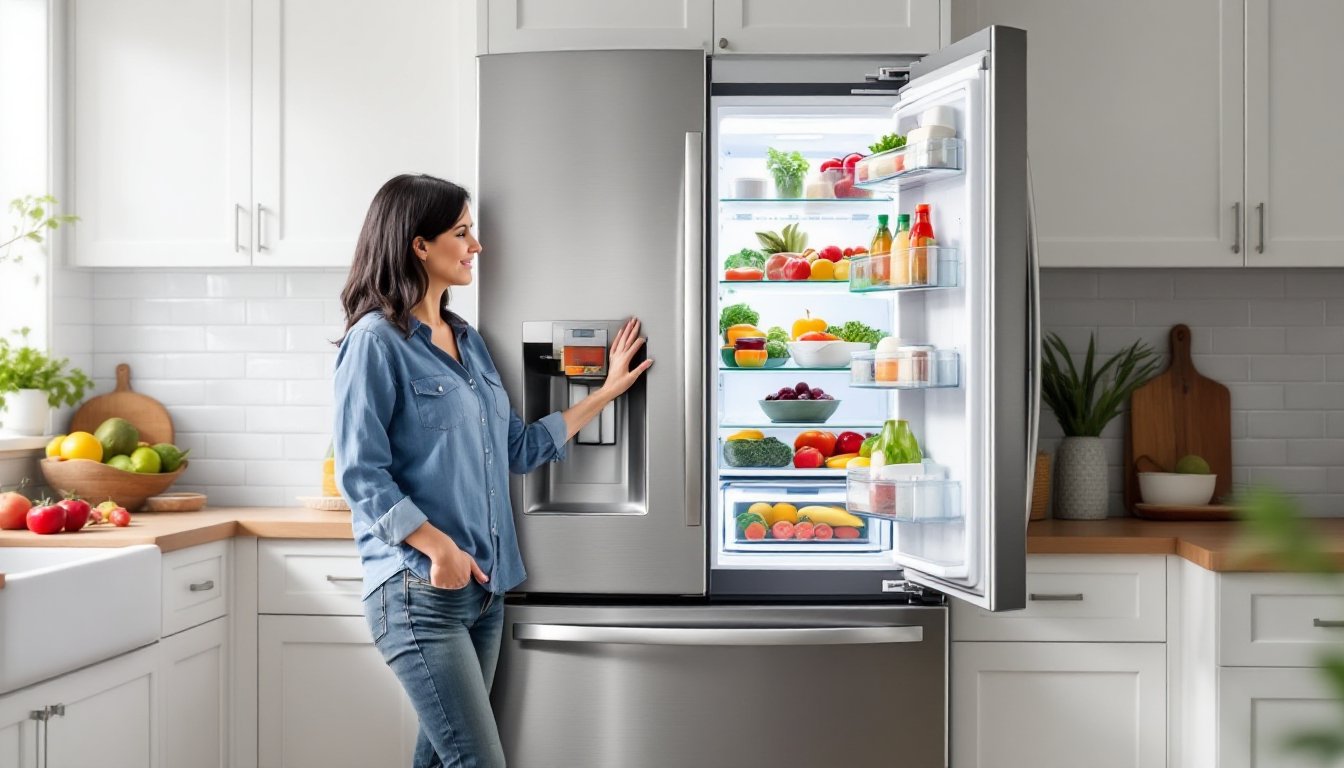
When you’re shopping for a new refrigerator, you’ve probably noticed that LG bottom freezer refrigerators have become a go-to choice for homeowners who want convenience and modern features without very costly. Unlike French door models that split cooling zones awkwardly, bottom freezers keep fresh food at eye level, right where you reach most, while storage for frozen items stays lower and out of the way. This layout makes sense for families who cook regularly and need quick access to vegetables, dairy, and leftovers. If you’re considering an upgrade or replacing an aging fridge, understanding what an LG bottom freezer model offers will help you make a decision that fits your kitchen layout, cooking style, and budget.
Table of Contents
ToggleKey Takeaways
- LG bottom freezer refrigerators prioritize ergonomic design by keeping fresh food at eye level, reducing the need to bend while providing convenient daily access to vegetables, dairy, and leftovers.
- Smart cooling technologies like Linear Cooling and Smart Inverter Compressors maintain steady temperatures, prevent frost buildup, and improve food quality while using 600–700 kWh annually for ENERGY STAR-certified efficiency.
- WiFi connectivity and InstaView technology let you monitor temperatures remotely and peek inside without losing cold air, adding modern convenience to everyday kitchen tasks.
- Bottom freezer storage capacity typically ranges from 24–29 cubic feet with slide-out freezer drawers and adjustable shelving, making organization easier for families and meal preppers.
- Regular maintenance including quarterly coil cleaning, biannual filter replacement, and temperature monitoring keeps your LG bottom freezer running efficiently for 10+ years and prevents costly repairs.
- Measure your kitchen opening carefully for width, depth, and door swing clearance before purchasing, and confirm door hinge direction to ensure the unit fits your kitchen layout and traffic flow.
Why Choose an LG Bottom Freezer Refrigerator
Bottom freezer refrigerators solve a real kitchen problem: most people use the fridge compartment far more than the freezer. LG designs these units so the larger, climate-controlled refrigerator section sits at comfortable eye and waist level, eliminating the need to bend or squat for everyday items. This ergonomic layout has become standard in modern kitchens, and LG’s engineering keeps food fresher longer through precise temperature management.
LG bottom freezers also offer smart technology features that rival their premium counterparts. Many models include WiFi connectivity, letting you check temperatures and adjust settings from your phone, a practical feature if you leave the door open or forget to set the right humidity level. Their InstaView technology (a transparent glass panel that illuminates when you knock twice) lets you peek inside without letting cold air escape, which sounds gimmicky but actually works well in busy kitchens.
Another advantage is reliability. LG has invested heavily in inverter compressors that run more efficiently and generate less noise than traditional models. This translates to lower energy bills and a quieter kitchen, both of which matter when your fridge runs 24/7. Plus, LG’s warranty coverage is competitive, typically offering 10 years on the compressor alone, a sign they trust their durability.
For families with children or anyone who does weekly meal prep, the bottom freezer layout encourages better organization. You’re not rooting through a chest freezer or digging past three frozen pizzas to find ground beef. Everything stays visible and accessible without constant deep dives.
Key Features and Specifications to Know
When comparing LG bottom freezer models, certain specifications separate a solid performer from a workhorse. Storage capacity typically ranges from 24 to 29 cubic feet, enough for a family of four or a household that entertains regularly. Wider models (36 inches) offer more shelf space: narrower units (30 inches) fit snugly into standard cabinet cutouts.
Temperature and humidity control matter more than most shoppers realize. LG’s Smart Inverter Compressor adjusts cooling output based on how often the door opens and the outside temperature, which keeps foods like produce fresher and reduces frost buildup. Adjustable humidity-controlled drawers (sometimes called crisper drawers) let you dial in moisture levels for leafy greens versus harder vegetables, extending shelf life by days.
Energy efficiency is worth evaluating. Look for the ENERGY STAR certification, which means the unit meets or exceeds federal efficiency standards. Most LG bottom freezers use between 600–700 kWh per year, compared to older models that might consume 800+ kWh. Over a decade, that difference adds up to real money on your electric bill.
Cooling Technology and Storage Capacity
LG’s Linear Cooling technology is a standout feature. Instead of one compressor cycling on and off (which causes temperature swings and frost), Linear Cooling maintains a steady temperature by running the compressor at variable speeds. This keeps your milk from freezing accidentally and your ice cream from getting rock hard. It’s a subtle but meaningful difference in food quality.
Freezer capacity in bottom-freezer LG models usually runs 8 to 10 cubic feet, with slide-out drawers that pull out fully for easy access to items at the back. Shelving is often adjustable, so you can reconfigure it if you’re storing tall bottles or bulky items. Some models include a convertible freezer drawer that you can adjust from freezer to fridge temperature, useful during the holidays when you need extra cold storage or want to make ice cream.
The refrigerator section typically features glass shelves (easier to clean than wire), and door bins that adjust to fit bottles, condiments, and smaller items. Ice and water dispensers are standard on most LG models, with filtration that reduces chlorine taste and odor. If water quality or taste matters in your home, the filter cartridge typically costs around $20–30 and lasts six months.
Design and Installation Considerations
Before you commit to an LG bottom freezer, take a hard look at your kitchen’s layout and your existing refrigerator space. Measure your opening carefully, width, depth (including door swing and any molding), and height. LG models come in standard depths (around 30–34 inches from back to front), but some have handles that stick out an extra inch or two. If you have a tight galley kitchen or an island with limited clearance, those extra inches matter.
Door hinge direction is easy to overlook. Most LG bottom freezers come with a right-hinged door (opens toward your right), but left-hinged models exist. If your kitchen layout pulls traffic from the left, a left-hinge unit might make more sense. Changing the hinge after delivery is possible but adds service costs, so confirm this before ordering.
Finish options affect maintenance and aesthetics. Stainless steel is the standard, but it fingerprints easily, plan on wiping it down weekly with a microfiber cloth. Some LG models now offer matte black or slate finishes that hide fingerprints better and work well in modern kitchens. Finish choice is personal, but consider your kitchen’s existing hardware and appliances.
Installation itself is usually straightforward if you’re replacing an existing fridge of similar size. Delivery crews typically remove the old unit, unbox and position the new one, and connect water lines if you’ve ordered a model with an ice maker or water dispenser. But, if you have a very old unit with freon-based coolant, professional removal may be required by local code. Check with your city’s waste management office before the delivery date.
Maintenance Tips for Long-Term Performance
A bottom freezer refrigerator isn’t a set-it-and-forget-it appliance. Simple maintenance habits keep it running efficiently and prevent costly repairs down the line.
Cleaning and airflow are the two biggest factors. Once every three months, unplug the unit and vacuum the condenser coils on the back or underneath (depending on your model). Dust and pet hair clog these coils, forcing the compressor to work harder and shortening its lifespan. While you’re back there, check that the unit sits level using a spirit level, if it tilts backward, the defrost drain might not work properly, leading to water pooling inside.
The ice and water filter needs replacing every six months or after 200 gallons of use (whichever comes first). A clogged filter reduces water pressure and can actually harm ice quality, making cubes cloudy or small. Mark your calendar or set a phone reminder so you don’t forget.
Inside the unit, wipe down shelves and drawers quarterly with a mild soap solution and dry cloth. Food spills, especially sugary liquids, can stick to shelves and harbor bacteria. Pay attention to the gasket, the rubber seal around the door. If it’s cracked or feels loose, cold air escapes and your unit works overtime. Replacement gaskets are inexpensive (usually under $50) and worth the swap if you notice drafts.
Temperature settings matter too. The fridge should stay at 35–38°F and the freezer at 0°F or below. Check these periodically with a simple refrigerator thermometer (about $5 at any hardware store). If temperatures drift, it might signal a failing thermostat or compressor, which warrants a service call. Don’t ignore weird noises, a clicking sound is usually normal, but grinding or continuous hissing might indicate a problem worth diagnosing early.
According to best French door refrigerators reviews, regular maintenance and smart temperature monitoring extend appliance life by years. Similarly, kitchen appliance maintenance guides emphasize the importance of filter changes and coil cleaning. For broader kitchen design and organization insights that complement your appliance choice, The Kitchn offers practical tips on maximizing kitchen space and workflow around your new refrigerator.
Conclusion
An LG bottom freezer refrigerator is a practical investment for homeowners who want modern features, reliable performance, and a kitchen layout that actually matches how they cook. The bottom-freezer design puts fresh food at eye level, smart cooling technology keeps food fresher longer, and reasonable energy consumption means lower utility bills over time. If you take the time to measure your space, understand your usage patterns, and commit to basic maintenance, you’ll get a dependable appliance that works hard for a decade or more.