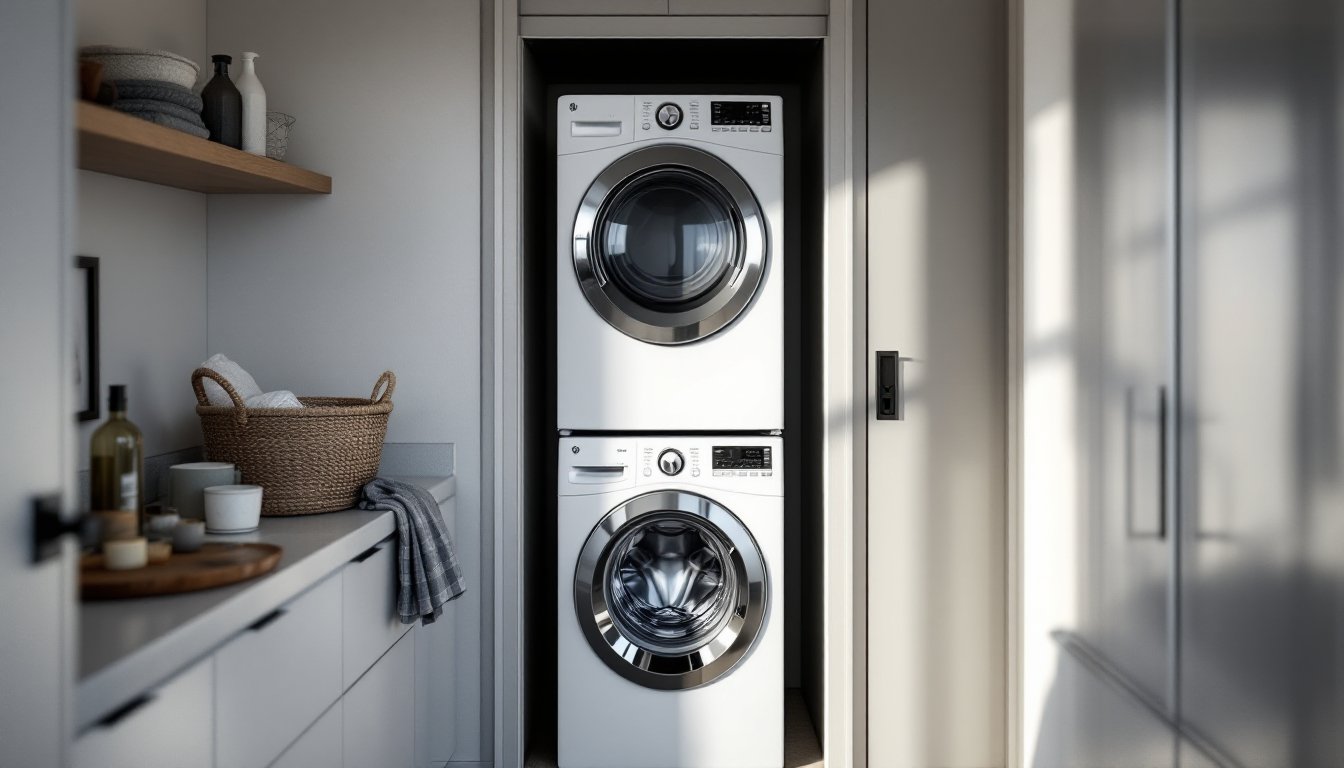
A stackable LG washer and dryer combo can transform your laundry room from cramped and cluttered to functional and clean. If you’re working with limited square footage, whether in an apartment, condo, or small house, this setup delivers the capacity of full-size machines without consuming floor space. LG’s stackable units combine reliable performance with smart features that make laundry less of a chore. This guide walks you through what to look for, how to set one up, and how to keep it running smoothly for years to come.
Table of Contents
ToggleKey Takeaways
- A stackable LG washer and dryer reduces your laundry room footprint by roughly 50% while maintaining full-size machine capacity, making it ideal for apartments and small homes.
- LG stackable units with ENERGY STAR certification use 40% less water in washers and 20% less energy in dryers, saving hundreds of dollars over a decade.
- AI DD fabric care technology and TurboSteam functions automatically adjust cycles based on fabric type and moisture levels, preventing shrinkage and over-drying.
- Ensure your space has adequate electrical (240V outlet for dryer), water supply connections, and outdoor venting before purchasing—professional installation typically costs $200–$400 but prevents costly mistakes.
- Monthly washer cleaning cycles and emptying the dryer lint trap after every load are essential maintenance tasks that keep your stackable washer and dryer running reliably for 10–15 years.
Why Choose a Stackable LG Washer and Dryer Combo
Stackable units solve a common problem: you need both a washer and dryer but don’t have room for two side-by-side machines. LG’s stackable design lets you install the dryer directly on top of the washer, cutting your footprint roughly in half while keeping capacity intact. A typical stackable washer occupies about 27 inches wide by 39 inches tall when stacked, roughly the same width as a single washer but nearly twice the height.
Beyond space savings, this configuration makes sense economically. You’re purchasing one frame and one set of connections instead of two. Stacking kits (the brackets and fasteners that secure the dryer to the washer) are inexpensive, usually under $50. LG washers and dryers are built to last: early-generation models from 10+ years ago still run in many households. Current models add smart diagnostics, faster cycles, and better energy efficiency, often qualifying for rebates if your utility offers them.
The practical reality: stacking works in laundry closets, bedrooms, bathrooms, or utility corners where side-by-side placement isn’t possible. It’s one of the smartest space-planning decisions you can make in a compact home.
Key Features to Look For in LG Stackable Units
When shopping, focus on the specs that directly affect how well the washer and dryer perform for your household.
Capacity and Efficiency Ratings
Capacity matters more than most people realize. LG stackable washers typically range from 4.5 to 5.8 cubic feet: dryers range from 3.6 to 4.2 cubic feet. A larger washer capacity means fewer loads per week, which saves water and energy over time. Check the EnergyGuide label on each machine, it shows estimated yearly operating cost and compares the unit to similar models.
Look for ENERGY STAR certification, which guarantees the unit meets EPA efficiency standards. An ENERGY STAR washer uses about 40% less water and 25% less energy than a standard model. The dryer certification is equally important: a certified unit cuts energy use by roughly 20%. Over a decade, this difference translates to hundreds of dollars saved and a smaller environmental footprint.
Don’t confuse capacity with performance. A 5.0 cubic foot washer won’t overflow with a full load of towels, but it fills the drum efficiently without wasting water on short cycles. Ask the retailer or check LG’s spec sheet for the machine’s maximum load weight, usually 15-20 pounds for a washer, 12-16 pounds for a dryer.
Advanced Wash and Dry Technology
LG’s AI DD technology (Artificial Intelligence Fabric Care) uses sensors to adjust water, temperature, and cycle time based on fabric type and soil level. For practical purposes: your delicates get gentler treatment, and your denim actually comes clean without unnecessary agitation.
On the dryer side, TurboSteam and AI Dry functions detect moisture levels and reduce heat toward the end of the cycle. This prevents over-drying and shrinkage, especially valuable for elastic-heavy fabrics like yoga pants or t-shirts. Expect to see cycle times around 30-40 minutes for a normal wash and 45-60 minutes for a standard dryer load.
Smarter units offer WiFi connectivity and mobile app controls, letting you start a load remotely or receive alerts when a cycle finishes. This sounds like a luxury, but it’s genuinely useful in an apartment where your laundry room is on a different floor or in a separate building. LG’s app also provides diagnostic codes if something goes wrong, which can save a service call.
Space-Saving Design Benefits
The vertical footprint of a stacked unit opens up design possibilities. In a laundry closet, you gain floor space for a folding surface or shelving above the dryer. In a bedroom or hallway, the unit fits into a corner without jutting into the room, and a nearby shelf or countertop handles folded clothes.
LG’s SmartThinQ ecosystem lets you monitor both machines from your phone, useful if you’re stacking them in a laundry room you don’t pass by daily. The app tells you when each cycle is done, which prevents clothes from sitting damp and developing odors. This feature alone justifies the price of a smart model if convenience matters to you.
Stacking also improves airflow around and beneath the washer, reducing moisture buildup. Proper ventilation behind the dryer (at least 4 inches of clear space) is critical. If your laundry room or closet lacks adequate ventilation, you’ll need to explore venting options reviewed by CNET before installation.
Cost-wise, stacking is cheaper than buying two separate machines. A quality stackable LG combo typically runs $1,200–$1,800 for both washer and dryer, depending on capacity and features. Individual machines of the same quality would cost $800–$900 each, plus an extra $50–$100 for a stacking kit anyway. The vertical arrangement is a bonus that saves money while solving space constraints.
Installation and Setup Considerations
Before you buy, measure your space carefully. You need the height of the wall or closet where you’ll stack them, the width of the doorway the units must pass through, and the depth including any ventilation space behind the dryer. Write these down and bring them to the store: a salesperson can verify whether a specific model fits.
Electrical: Both the washer and dryer require dedicated outlets. The washer needs a standard 120V outlet: the dryer typically requires a 240V outlet (in some regions, 120V models exist, but they’re slower). If your laundry space lacks a 240V outlet, you’ll need an electrician to install one, not a DIY task. Budget $300–$500 for this work, and check your local electrical code (varies by jurisdiction). If your space already has 120V only, confirm LG makes a 120V dryer model before purchasing.
Water supply: The washer connects to hot and cold water lines using standard 3/4-inch hose bibs. If these don’t exist near your installation spot, you’ll need a plumber or a capable DIYer to run new lines. Budget another $200–$400 if new connections are needed.
Drainage: The washer drains into a standpipe or utility sink. If your space lacks drainage infrastructure, this is your next conversation with a plumber.
Ventilation: The dryer exhaust must vent to the outdoors through rigid or semi-rigid ducting (never flex duct in walls, it’s a fire hazard per the IRC Building Code). If venting outdoors isn’t feasible, Good Housekeeping’s tested recommendations include condensing dryers or heat pump models that don’t require external venting, though they cost more upfront and dry slower.
Most retailers offer installation services for $200–$400. For a small space or new hookups, this is money well spent. DIY installation is possible if you’re confident with connections, but mistakes with gas or electrical work create serious safety hazards.
Maintenance and Care Tips
Stackable washers and dryers are reliable, but they demand basic upkeep to avoid costly repairs.
Washer maintenance: Run a cleaning cycle monthly using a washer cleaning agent (LG sells its own or you can use white vinegar and baking soda). This removes detergent residue, mold, and mineral deposits that build up in the drum and gasket. Between cycles, leave the door open to air out. Check the rubber gasket around the door seal monthly: if you spot mold or slime, wipe it with a damp cloth and vinegar.
Clean the detergent dispenser drawer every few months. Liquid detergent leaves sticky buildup: powder can clump. Using too much detergent is the most common mistake, modern washers, especially HE (high-efficiency) models, need far less than older machines. Follow the manufacturer’s dosing chart on the detergent bottle.
Dryer maintenance: Empty the lint trap after every load. A clogged trap reduces efficiency, extends drying time, and is a fire hazard. Lint buildup in the ductwork is serious, if your dryer takes longer than 45 minutes for a normal load, professional duct cleaning is worth the investment.
Check the exhaust vent outside your home monthly. Press on the flapper, it should open freely and close when you release it. If it’s stuck, stiff, or clogged, clean it or replace the ductwork.
Stacking safety: Ensure the stacking bracket bolts are tight every six months. A loose connection can rattle, damage your laundry room, or worse, cause the dryer to shift. Wear work gloves when checking hardware: sharp edges are common.
If either machine stops working, Bob Vila’s home improvement advice and your machine’s manual are your first stops before calling a technician. Common issues, drainage clogs, lint buildup, detergent residue, often have DIY fixes. For electrical or gas problems, call a professional.
With regular care, a quality LG stackable pair lasts 10–15 years, making it a solid investment in both comfort and functionality.