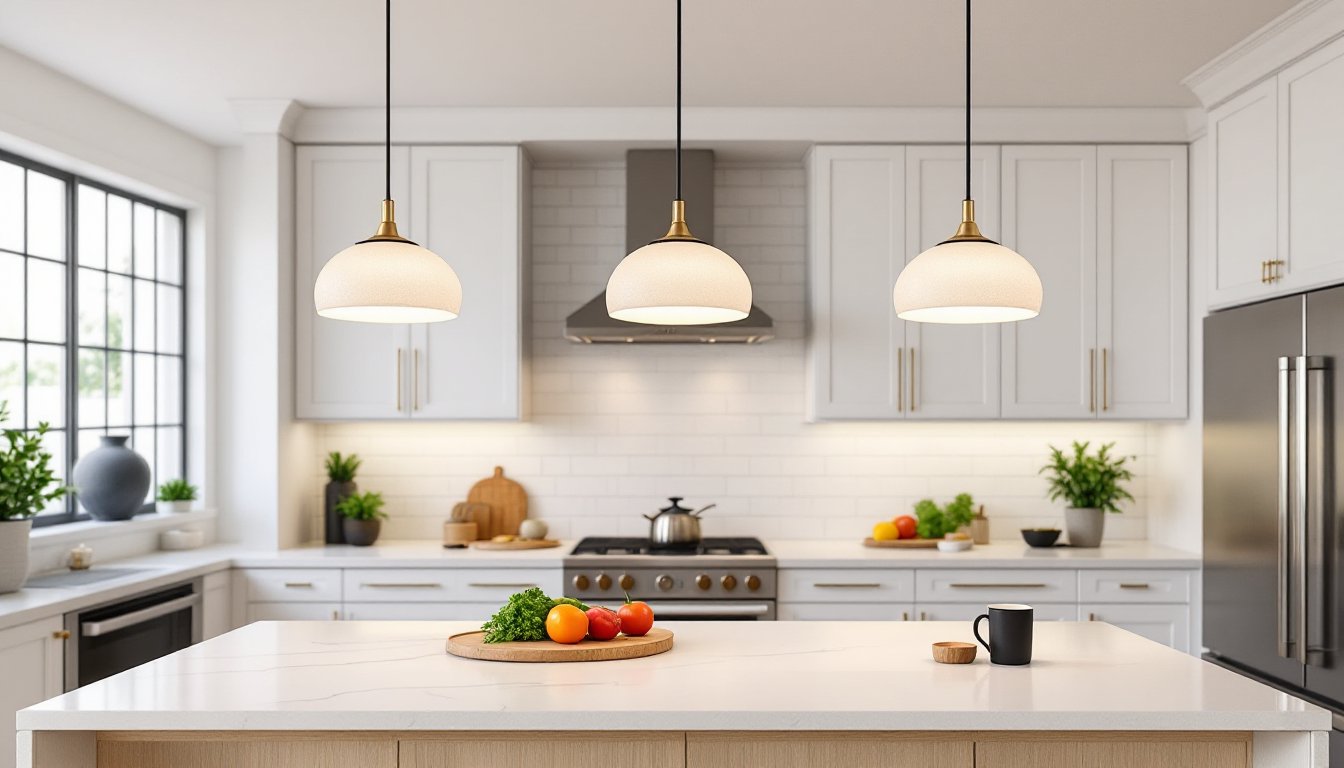
Pendant lights above a kitchen island do more than brighten a work surface, they anchor the entire room’s aesthetic. Whether you’re renovating a dated kitchen or fine-tuning a fresh layout, modern pendant lights set the tone for both function and style. A well-chosen trio of contemporary fixtures transforms an island from a mere prep station into a focal point that draws the eye and sparks conversation. This guide walks you through selecting, sizing, and installing modern pendant lights that suit your space, design taste, and practical needs.
Table of Contents
ToggleKey Takeaways
- Modern pendant lights for kitchen islands serve dual purposes: they eliminate shadows on work surfaces while adding layered ambient light and style to your kitchen.
- The ideal pendant diameter should measure roughly 1/3 the width of your island, with the shade bottom positioned 30–36 inches above the counter for optimal sight lines and proportion.
- Most kitchen islands work best with three evenly-spaced pendants; spacing them 18–20 inches apart (center-to-center) prevents dark spots and creates a cohesive, intentional look.
- Popular modern styles include minimalist fixtures in frosted glass or matte finishes, industrial designs with exposed metal frames, and mid-century options with warm brass or copper accents.
- Choose dimmable LED filament bulbs at 2700K (warm) or 3000K (neutral) color temperature to match your fixture material and allow mood adjustment throughout the day.
- Kitchen island electrical work requires a dedicated circuit per code; if retrofitting into an existing island without an electrical box, hire a licensed electrician to ensure safe installation.
Why Pendant Lights Transform Your Kitchen Island
Your kitchen island is a natural gathering point, family members chat while you cook, kids do assignments at the counter, guests lean against the edge during parties. Pendant lights accomplish what overhead fixtures alone cannot: they direct light exactly where you need it, eliminating shadows on the work surface while adding layered ambient light to the room.
Modern pendant fixtures also serve as décor. Unlike utilitarian flush mounts, a well-designed pendant broadcasts style. The shape, material, and finish become part of your kitchen’s personality. Contemporary designs favor clean lines, minimal ornamentation, and materials like brushed brass, matte black, frosted glass, and natural wood, all choices that complement rather than compete with cabinetry and countertops.
From a practical standpoint, pendant lights allow task lighting over the island without requiring recessed cans elsewhere or a pendant-heavy ceiling that would feel cluttered. They’re also easier to upgrade than hardwired fixtures: if you decide a style no longer works, you swap out the pendant heads while keeping the electrical infrastructure intact.
Popular Modern Pendant Light Styles and Materials
Modern pendant design is broad, but a few categories dominate kitchens in 2026. Understanding the differences helps you narrow your choices.
Minimalist and Contemporary Designs
Minimalist pendants strip away excess. Think dome or bell-shaped shades in frosted or matte finishes, often paired with slim metal frames in brushed brass, matte black, or aged copper. These fixtures work with nearly any kitchen style, modern, transitional, farmhouse, or Scandinavian. The neutral aesthetic doesn’t date quickly, which matters if you’re investing $300–600 per light.
Glass variants are popular here too. Frosted or textured glass diffuses light evenly and hides the bulb, creating a softer glow. Clear glass pendants show off decorative Edison or filament bulbs, but require a bit more maintenance since dust shows on the surface. Materials like ceramic and concrete are trending as homeowners seek tactile, artisanal-looking fixtures that still feel contemporary.
These designs pair well with modern design inspiration and furniture from Design Milk, where you’ll see how leading contemporary pendants integrate into real kitchens.
Industrial and Mid-Century Options
Industrial-style pendants borrow from warehouse and factory aesthetics: exposed metal frames, often steel or aluminum, sometimes paired with Edison bulbs or open-cage designs. These fixtures work beautifully in kitchens with concrete counters, dark cabinetry, or open shelving. A metal canopy with a simple cord suspension gives an unfussy, intentional look.
Mid-century modern pendants lean more refined. Iconic shapes like the Eames-inspired molded plastic dome or a teak-accented brass frame bring warmth and retro sophistication. These aren’t period reproductions, modern interpretations use updated materials and LED compatibility. The color palette leans toward warm metals (brushed brass, vintage copper) and soft neutrals.
Both styles handle larger islands well because their bold geometry reads from a distance. A trio of industrial pendants, each 10–12 inches in diameter, creates visual weight that suits an island 36 inches wide or larger.
How to Choose the Right Size and Height
Size and height are the most common mistakes DIYers make. Get either wrong, and even a beautiful pendant feels awkward.
Pendant diameter should relate to your island width. A standard rule: the widest part of the shade should measure roughly 1/3 the width of your island. An island 36 inches wide calls for pendants about 12 inches across. A smaller 24-inch island needs 8–10 inch shades to avoid overwhelming the space. For an oversized island (48–60 inches), you can go to 14–16 inches or even use four pendants instead of three.
Height above the counter is equally critical. The bottom of the shade should sit 30–36 inches above the counter surface. This clears sightlines so diners and cooks can see each other, and it prevents the ceiling from feeling compressed. In kitchens with standard 8-foot or 9-foot ceilings, this range feels right. If your ceiling is vaulted or unusually tall (10 feet+), you might sit pendants slightly lower (28–32 inches) to maintain proportion.
Mounting height depends on your ceiling. Measure from the electrical box to the counter, then back-calculate. A pendant with an 8-foot total drop (rod and cord) works for 9-foot ceilings. For 10-foot-plus ceilings, you may need a 10–12 foot drop, but avoid pendant canopies that feel miles away, that creates visual disconnect.
When in doubt, check kitchen design ideas and solutions at The Kitchn for real examples showing pendant scale and placement in various kitchen sizes.
Lighting Placement and Configuration Tips
Most kitchen islands work best with three pendants spaced evenly. If your island is 48 inches long, space them 18 inches apart (measuring center-to-center). For a 60-inch island, 20-inch spacing feels balanced. This prevents dark spots and creates a cohesive, intentional look.
Smaller islands (under 36 inches) can work with two pendants, one on each side. Anything longer than 60 inches might justify four, though you’ll need to confirm your electrical layout and available circuits.
Bulb choice matters for the mood. LED filament bulbs (2700K color temperature) mimic warm incandescent light and pair beautifully with brass or copper fixtures. Neutral white (3000K) works with modern and industrial styles. Aim for dimmable bulbs if you can, they cost a few dollars more but let you adjust light for different times of day and activities.
Electrical considerations: Kitchen islands require dedicated circuits per code (NEC regulations vary, but most jurisdictions require at least one 20-amp circuit for the island). If you’re retrofitting pendants into an existing island with no electrical box, that’s a structural and electrical task, call a licensed electrician. Hiding wiring between joists is possible only if you have a dropped ceiling or an open ceiling plan.
For a new island or upgrade using an existing box, confirm the box is rated for the pendant’s weight. Ceramic or concrete pendants run heavier than glass or plastic: some exceed 5 pounds each. Standard ceiling boxes handle up to 50 pounds, but it’s worth a glance at the fixture specs.
Spacing pendants symmetrically not only looks better but also ensures even light distribution. Asymmetrical placement can create glare on one side and shadows on the other, making food prep and dining uncomfortable.
Conclusion
Modern pendant lights transform your kitchen island from a functional element into a design centerpiece. By understanding your style preferences, sizing fixtures to your island, and planning placement carefully, you’ll achieve a look that’s both beautiful and practical. Whether you lean minimalist, industrial, or mid-century, today’s pendant market offers quality options that balance contemporary aesthetics with real-world durability. A modern farmhouse kitchen showcases how thoughtful pendant selection refreshes the entire island experience, proving that the right fixtures elevate everyday living.